







The movie landscape of 2026 reflects an entertainment industry that is becoming increasingly dynamic, international, and digitally accessible. New productions continue to arrive across major genres and markets, while the relationship between theatrical cinema and online viewing keeps evolving. Current industry coverage shows that 2026 has brought a substantial flow of new releases alongside an expanding selection of films reaching audiences through digital platforms. For viewers interested in latest movies 2026, the appeal is therefore not simply finding something new, but being able to explore the changing landscape of contemporary cinema through a convenient online environment.
A New Generation of Cinema in 2026
The phrase “latest movies” represents more than a collection of recent releases. It reflects the constant movement of the modern film industry, where audiences are introduced to new genres, filmmaking approaches, visual techniques, and international productions throughout the year. In 2026, the range of contemporary cinema continues to extend across mainstream entertainment, genre filmmaking, animation, independent productions, international projects, and digitally focused releases.
This continuous flow has changed the way audiences think about movie catalogs. Instead of treating a film collection as something static, viewers increasingly expect it to evolve. New titles create fresh opportunities for discovery, while recently released entertainment can sit alongside broader catalogs that allow audiences to move between contemporary cinema and established favorites.
An online movie environment is particularly well suited to this constantly changing landscape. Rather than waiting for a particular film to appear on a television schedule, viewers can return to a digital catalog and explore what is available at their convenience. The experience becomes less about following a predetermined programming calendar and more about keeping pace with the evolving world of cinema.
Why New Releases Matter to Modern Viewers
Interest in recent movies is closely connected to the feeling of discovery. Audiences naturally want to know what filmmakers are creating now, which genres are gaining attention, and how contemporary cinema is responding to changing cultural and technological expectations. New releases provide a direct view of where the industry is heading.
At the same time, “new” does not necessarily mean one specific type of entertainment. Contemporary catalogs can contain very different approaches to filmmaking, from large-scale commercial productions to smaller projects with more specialized audiences. The value of an online catalog is its ability to bring this variety into one accessible environment.
For viewers, this means that browsing recent movies can become an exploration rather than a narrow search. Someone may arrive looking for a particular genre and discover a different category that has recently attracted attention. Clear shelves and intuitive organization make this process easier by giving new content a visible place within the wider catalog.
The Changing Path From Cinema to Online Viewing
The traditional journey of a movie has historically followed a relatively predictable path, moving from theatrical exhibition toward later forms of home entertainment. That model has become considerably more flexible as digital distribution has developed. Theatrical releases remain important, particularly for major event films, while online availability has become an increasingly significant part of how audiences encounter contemporary cinema. Industry reporting in 2026 also points to a continuing coexistence between strong theatrical releases and expanding streaming availability rather than a simple replacement of one format by another.
For viewers, this creates a more varied entertainment environment. The cinema remains a destination for immersive experiences, while online platforms provide flexibility when audiences prefer to watch from home or another personal setting. Digital catalogs therefore complement the wider film ecosystem by giving viewers greater control over when and where they engage with contemporary entertainment.
This flexibility is particularly useful for busy lifestyles. Students, professionals, families, and international viewers may all have different schedules and viewing habits. Online access allows the audience to decide when a movie fits into the day instead of requiring everyone to adapt to a fixed broadcast timetable.
Exploring New Movies Without Unnecessary Friction
A catalog dedicated to contemporary cinema needs to make discovery straightforward. When audiences are specifically looking for the latest movies of 2026, they should not have to navigate complicated menus, repeated registration prompts, or layers of distracting advertising before reaching the available selection.
A clean digital shelf creates a more direct relationship between discovery and playback. Viewers can browse recent entertainment, identify a title that interests them, and move directly toward watching it. One-click access makes this transition especially natural because the platform does not create unnecessary distance between selecting a movie and starting playback.
Moviewala’s frictionless approach fits naturally into this model. The absence of a conventional sign-up wall allows viewers to enter the catalog without turning the first stage of discovery into an account-management exercise. Likewise, avoiding annoying pop-ups keeps the interface focused on the movies themselves.
This simplicity is particularly valuable when browsing contemporary cinema because audiences may want to compare different options before deciding what to watch. A clean interface gives them room to explore without constantly interrupting the process.
Genre Variety Within Contemporary Cinema
The latest movies of 2026 represent a broad spectrum of cinematic interests. Contemporary audiences can move between action, comedy, drama, science fiction, fantasy, animation, horror, mystery, romance, documentary filmmaking, and numerous hybrid genres. The boundaries between these categories can also become increasingly fluid as filmmakers combine established conventions with modern approaches.
For an online catalog, this variety creates both an opportunity and a challenge. A larger selection provides more freedom, but it also requires effective organization. Categories, curated shelves, filters, and clear visual presentation help audiences navigate a growing collection without feeling overwhelmed.
This makes discovery an important part of the online viewing experience. The goal is not simply to place as many recent movies as possible on one page. A useful catalog should help viewers understand what is available and move naturally from broad browsing toward a particular choice.
When this organization works well, even viewers who have no specific movie in mind can begin exploring contemporary cinema with very little effort.
Watching New Cinema Across Different Devices
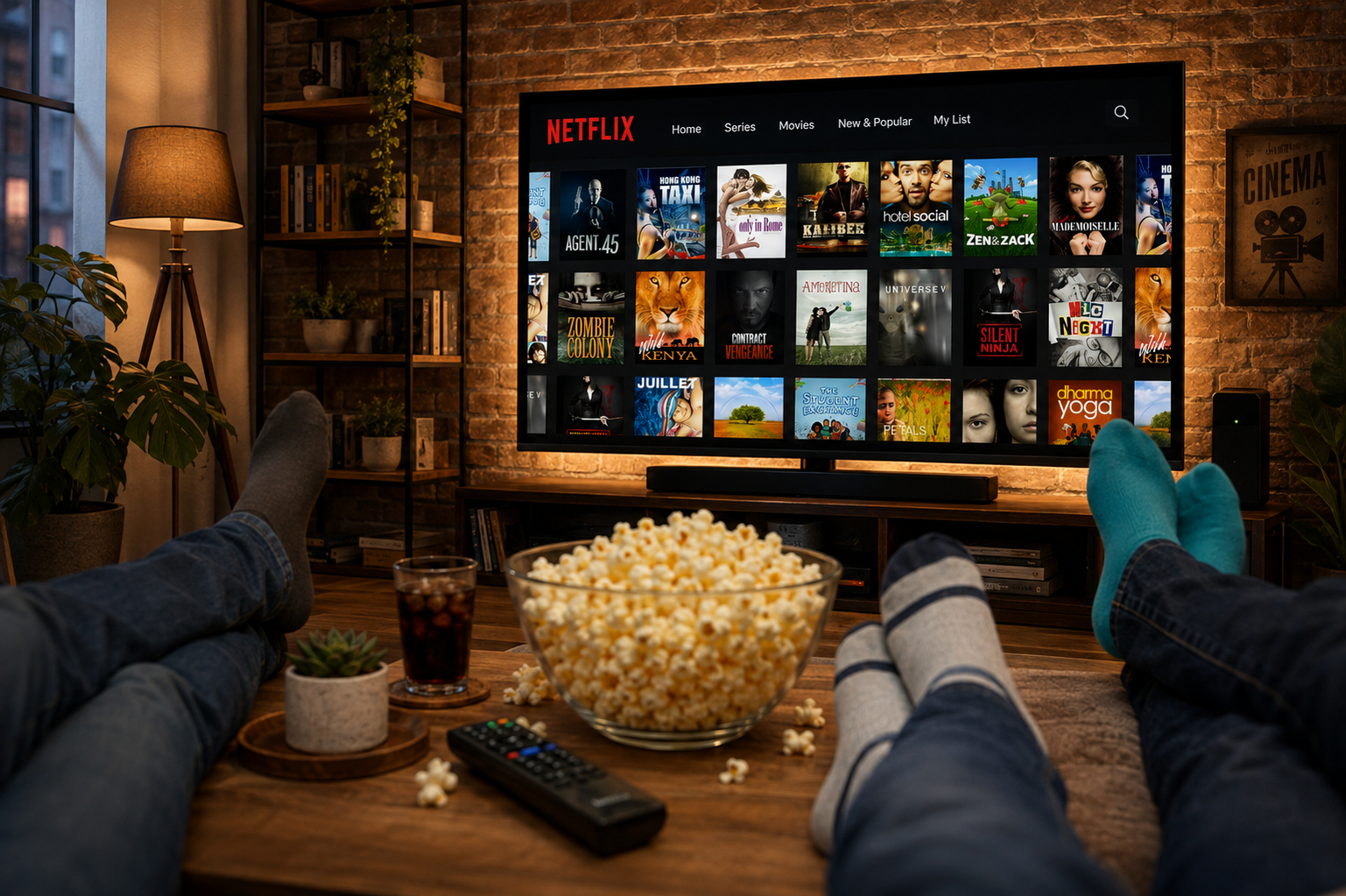
The modern movie audience is also increasingly device-independent. Smart televisions remain central to home entertainment, providing a large display for a traditional cinema-style experience. Laptops and desktop computers offer flexible access, while tablets and smartphones make online cinema available in more portable environments.
This flexibility is particularly relevant when exploring recent releases because viewers may discover a title in one setting and decide to watch it in another. A responsive streaming environment should therefore maintain clear navigation and reliable playback across different screen sizes.
Device compatibility also supports changing routines. A viewer may browse the catalog during the day and choose a larger screen later, or simply watch on the device that happens to be available. The technology should adapt to these preferences rather than forcing the viewer into a particular setup.
For Moviewala, the objective is straightforward: the catalog should remain easy to explore, and moving from a movie shelf to playback should require as little effort as possible.
High-Quality Playback for Contemporary Cinema
Recent movies often rely heavily on detailed cinematography, complex sound design, visual effects, and carefully constructed production environments. Preserving the quality of that presentation in an online environment requires sophisticated digital delivery infrastructure.
Modern streaming systems use efficient video compression, adaptive playback, cloud infrastructure, and distributed content delivery networks to transmit large amounts of audiovisual data. These technologies help balance image quality with network requirements while responding to differences in bandwidth and device performance.
From the viewer’s perspective, the technical process should remain almost invisible. A selected movie should load efficiently, playback should remain stable, and the presentation should retain a strong level of visual clarity without unnecessary interruptions.
This is another reason why a streamlined interface matters. High-quality infrastructure is most effective when the viewer can benefit from it without having to think about servers, codecs, bandwidth, or other technical details.
The International Nature of 2026 Cinema
Contemporary cinema is increasingly global, and the concept of the latest movies extends well beyond one national film industry. Audiences can discover productions from different countries and languages alongside major international releases, creating a much broader entertainment environment than the traditional local television schedule could provide.
Online catalogs help make this international diversity more visible. Digital distribution reduces some of the geographical limitations that once made regional cinema difficult to discover outside its original markets. Subtitles, multilingual interfaces, and accessible navigation can further support audiences exploring unfamiliar filmmaking traditions.
For viewers, this creates an opportunity to treat contemporary cinema as a genuinely international catalog. New releases can become a starting point for discovering different production cultures, genres, languages, and visual approaches.
The Future of New-Movie Discovery Online
As digital entertainment continues developing, the process of finding the latest movies is likely to become increasingly intelligent and personalized. Larger catalogs will require better organization, while recommendation systems can help audiences navigate recent additions without making browsing feel complicated or restrictive.
At the same time, improvements in connectivity, video compression, cloud infrastructure, and device performance will continue supporting more reliable high-quality playback. The technical evolution of streaming should ultimately make new cinema easier to access rather than make the viewing process more complicated.
The essential appeal of latest movies 2026 is therefore the opportunity to remain connected with a constantly changing cinematic landscape. New productions provide fresh possibilities for discovery, while online access gives audiences the freedom to decide when and how they want to explore them.
The experience can remain calm and uncomplicated: open the Moviewala home screen, explore the newest movie selection, choose a title directly from the shelf, and press play. With high-quality playback, direct one-click access, no registration wall, and no distracting pop-ups between the viewer and the catalog, contemporary cinema can remain exactly where it should be — immediately accessible and ready to explore.